iPhone Motherboard Repair Tips
Prior to commencing any repair procedures, disconnect the device entirely from all electrical power connections to guarantee safety.
- The following implements are necessary to complete the repair process:A Phillips-head screwdriver and a soldering iron are essential tools for this task.
Individuals lacking expertise in electronics troubleshooting and repair should obtain qualified professional help to prevent potential device harm.
Step 1 | iPhone Motherboard Repair Tips
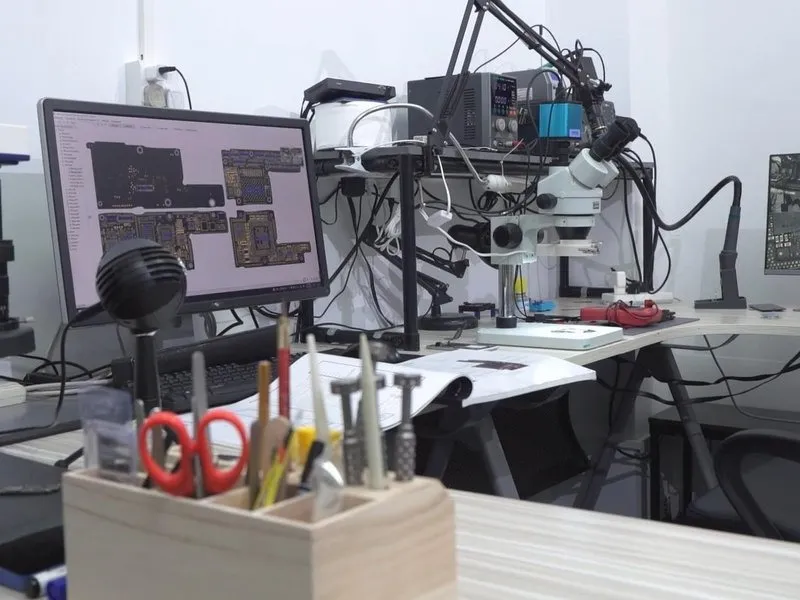
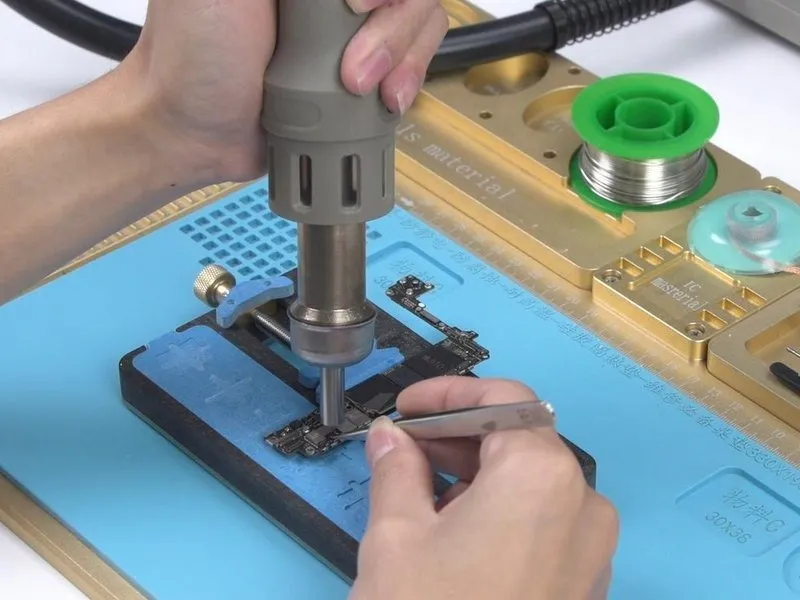
Technicians performing phone repairs necessitate a hot air gun, demanding careful control and expertise due to its function. This tool is vital for both the process of attaching and removing solder from motherboard components. This guide will present the fundamental principles of hot air gun operation for phone repair, beginning with a discussion of the different models available.Understanding the various types of hot air guns is the initial step in learning how to use one for phone repairs, and is essential for both soldering and desoldering motherboard components, requiring precision and skill from technicians.
Step 2
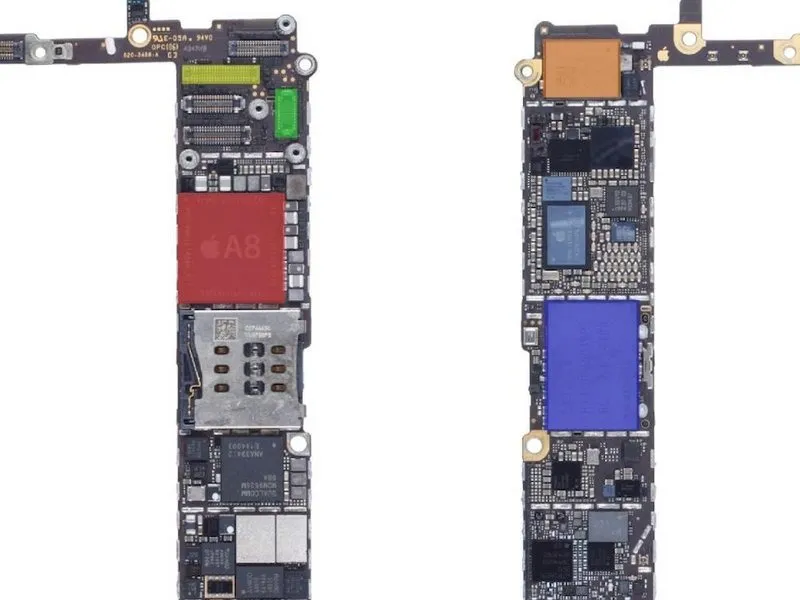
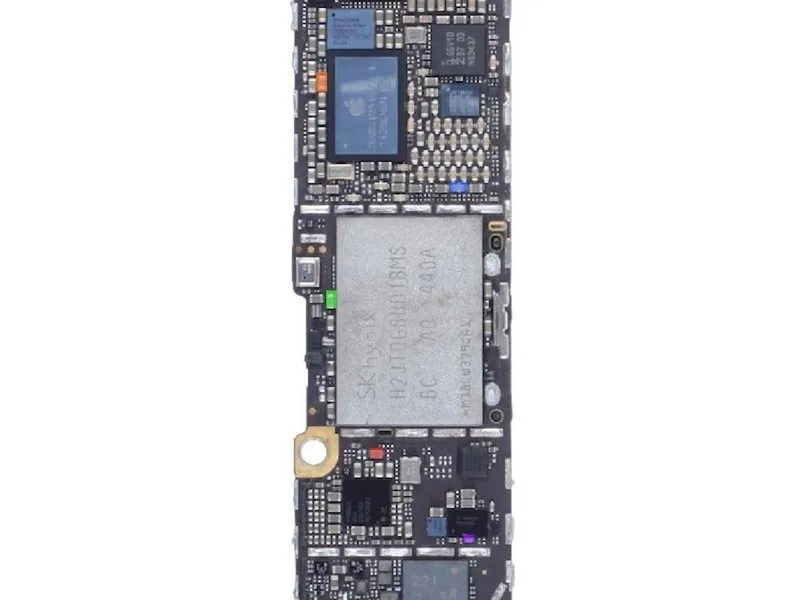
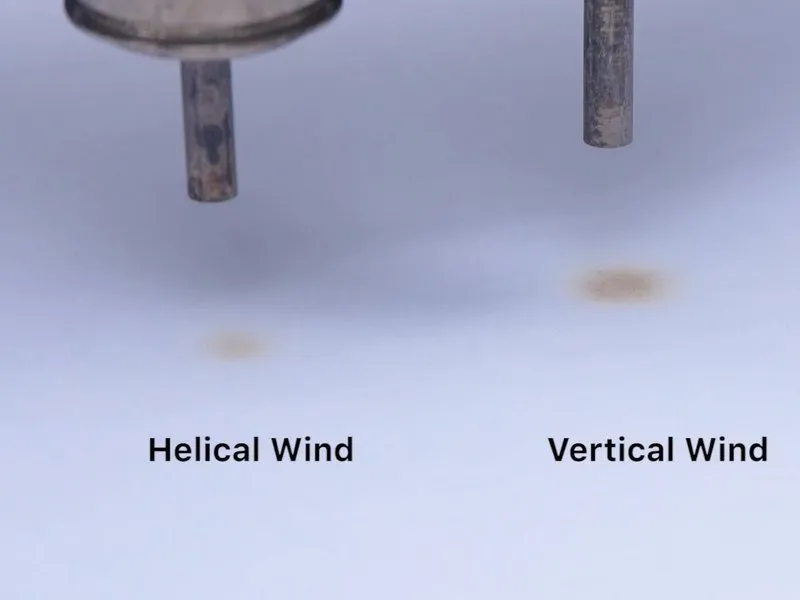
Specialized tools known as hot air guns are categorized primarily into two designs: those utilizing a helical airflow pattern and those employing a vertical airflow pattern.The helical wind design is particularly well-suited for tasks involving the joining and removal of solder from sizable electronic components, including connectors, NAND flash memory, central processing units (CPUs), and WiFi modules.
- Conversely, the vertical wind design demonstrates greater effectiveness when working with smaller electronic components, such as resistors and capacitors.
- Vertical wind hot air guns, in contrast, produce a more focused airflow and a higher heat intensity.
Step 3
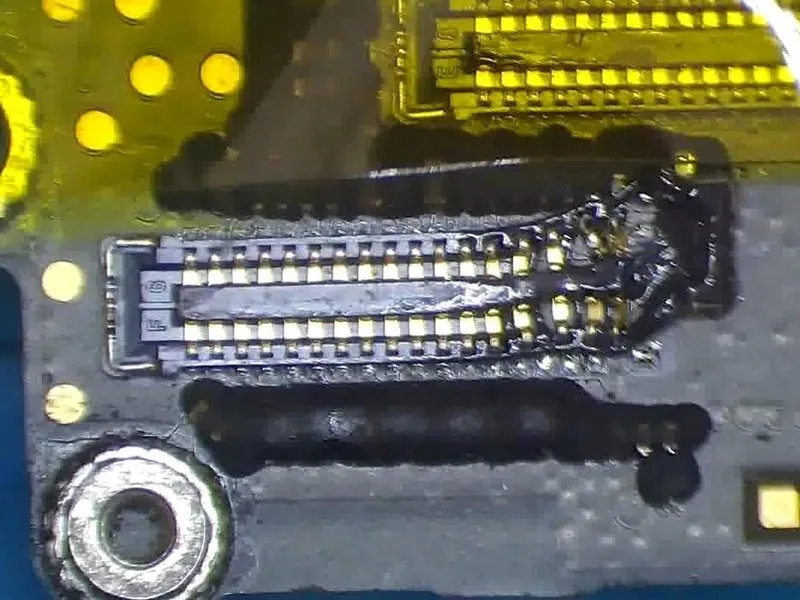
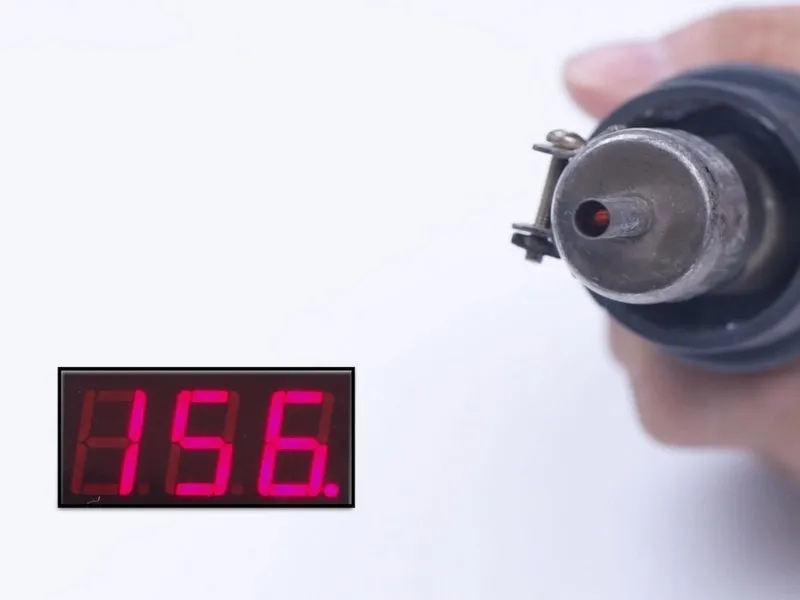
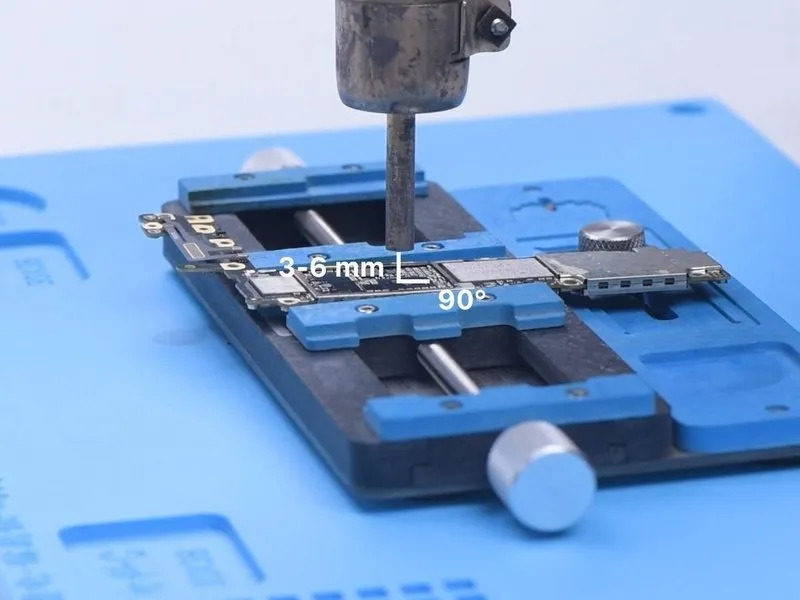
Employing a hot air gun skillfully accelerates repair processes; however, incorrect application risks damaging the device's internal components.Optimal temperature and airflow adjustments are essential, varying based on the repair task at hand; insufficient heat may prevent proper component removal, resulting in flawed solder joints.
- Excessive airflow presents a hazard, potentially dislodging parts from the circuit board.
Step 4
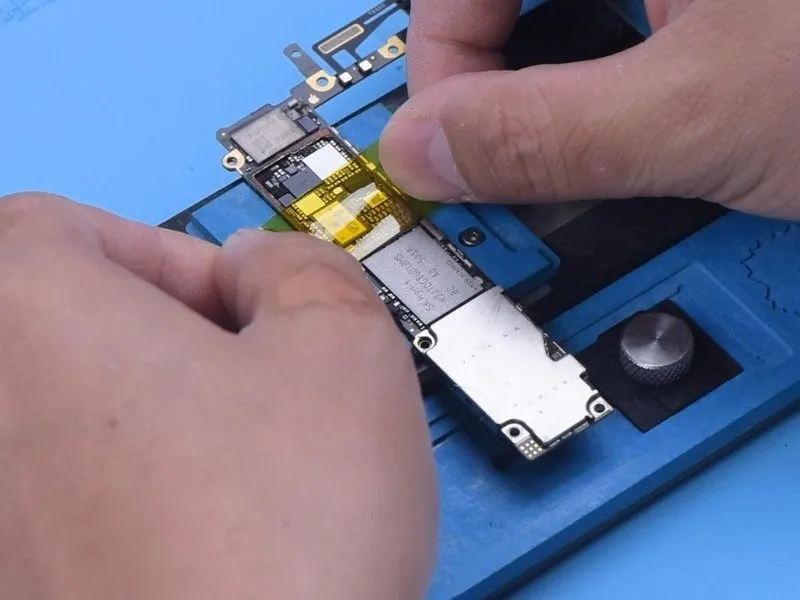
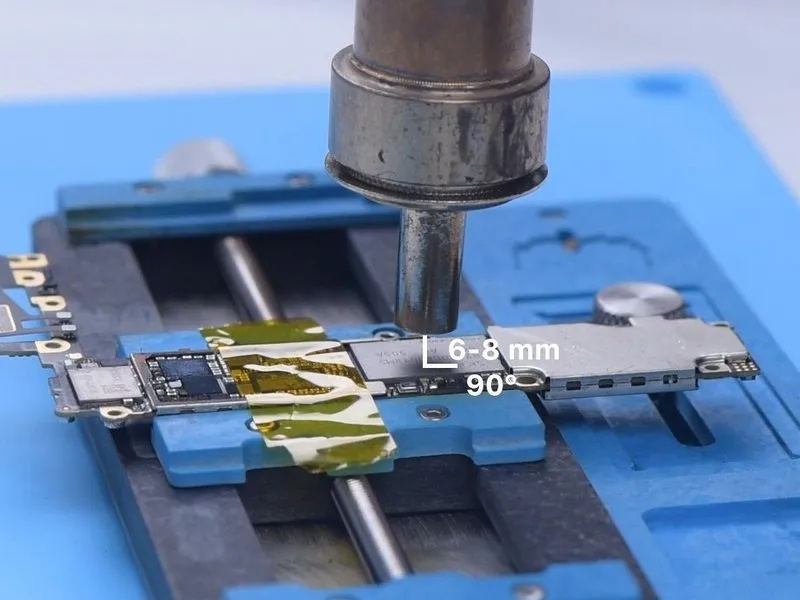
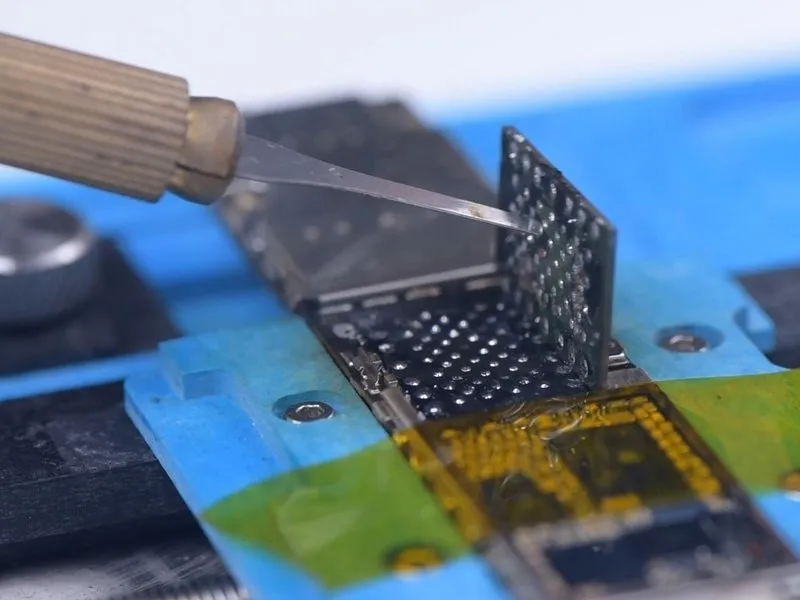
Soldering diminutive electronic parts utilizes an identical procedure to removing them, involving precise component placement and careful regulation of both heat and air movement; subsequent instructions will detail the desoldering of larger integrated circuits employing a helical airflow hot air system.To safeguard adjacent circuitry, initially eliminate any corner adhesive using heat-resistant tape, then establish a temperature range of 365 to 400 degrees Celsius and an airflow rate between 45 and 65 units, maintaining a 6 to 8 millimeter distance between the nozzle and the component while applying heat uniformly for approximately 40 seconds before gently lifting the part with a specialized blade; consistently maintain a vertical nozzle alignment relative to the component at an appropriate separation, and adjust temperature and airflow parameters according to the particular repair requirements.
Step 5
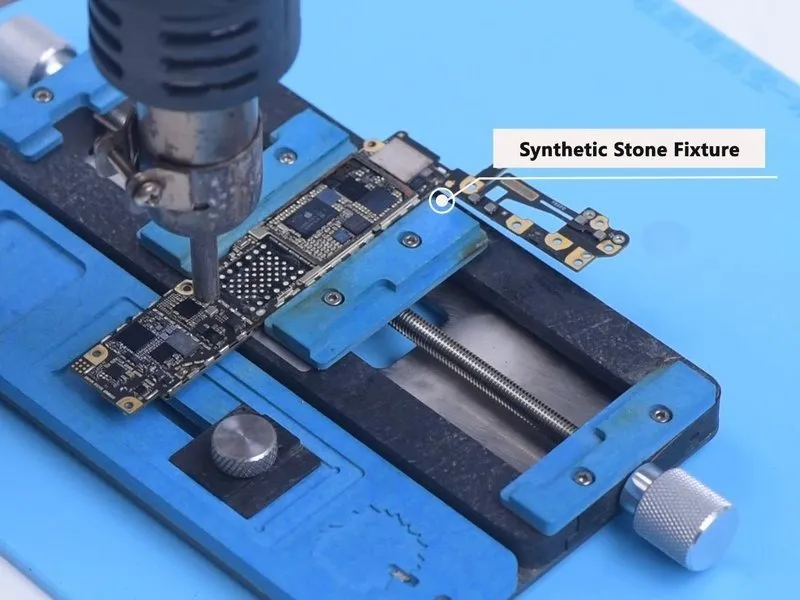
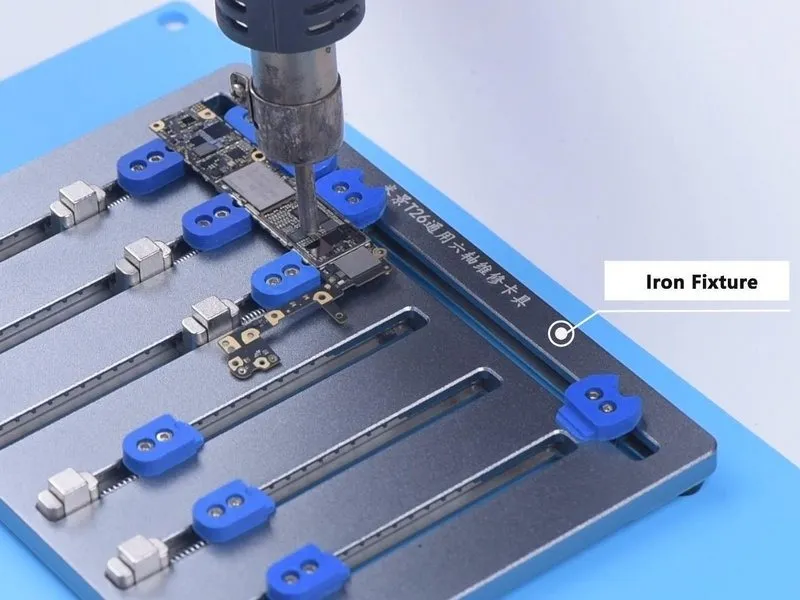
Proper temperature settings are crucial for optimal results.The appropriate heat level should be modified based on the material of the fixture.
- Because synthetic stone materials release heat at a reduced rate, a decreased temperature setting is necessary.
- Conversely, iron fixtures release heat rapidly, demanding a higher temperature setting to prevent damage.