iPhone Touch ID issues
Due to a prevalent problem encountered by numerous users, I've created this guide to address a specific issue with the Touch ID sensor.This document outlines a procedure to determine if your Touch ID functionality is genuinely impaired or potentially salvageable.If your Touch ID ceased to operate correctly following a repair, this guide may offer a solution.Please understand that complete success isn't assured, given the multitude of potential failure modes within the Touch ID system.The following steps will assist in diagnosing the Touch ID's operational status.A comprehensive assessment of the Touch ID's functionality is crucial before proceeding with any repair attempts.Prior to attempting any troubleshooting, verify if the Touch ID was previously functioning correctly.
Numerous factors can contribute to Touch ID failure, making a definitive repair outcome uncertain.The Touch ID sensor is a complex component with a variety of potential points of failure, numbering in the hundreds.This guide aims to provide a pathway for resolving common Touch ID issues, but results may vary.
Step 1 | iPhone Touch ID issues
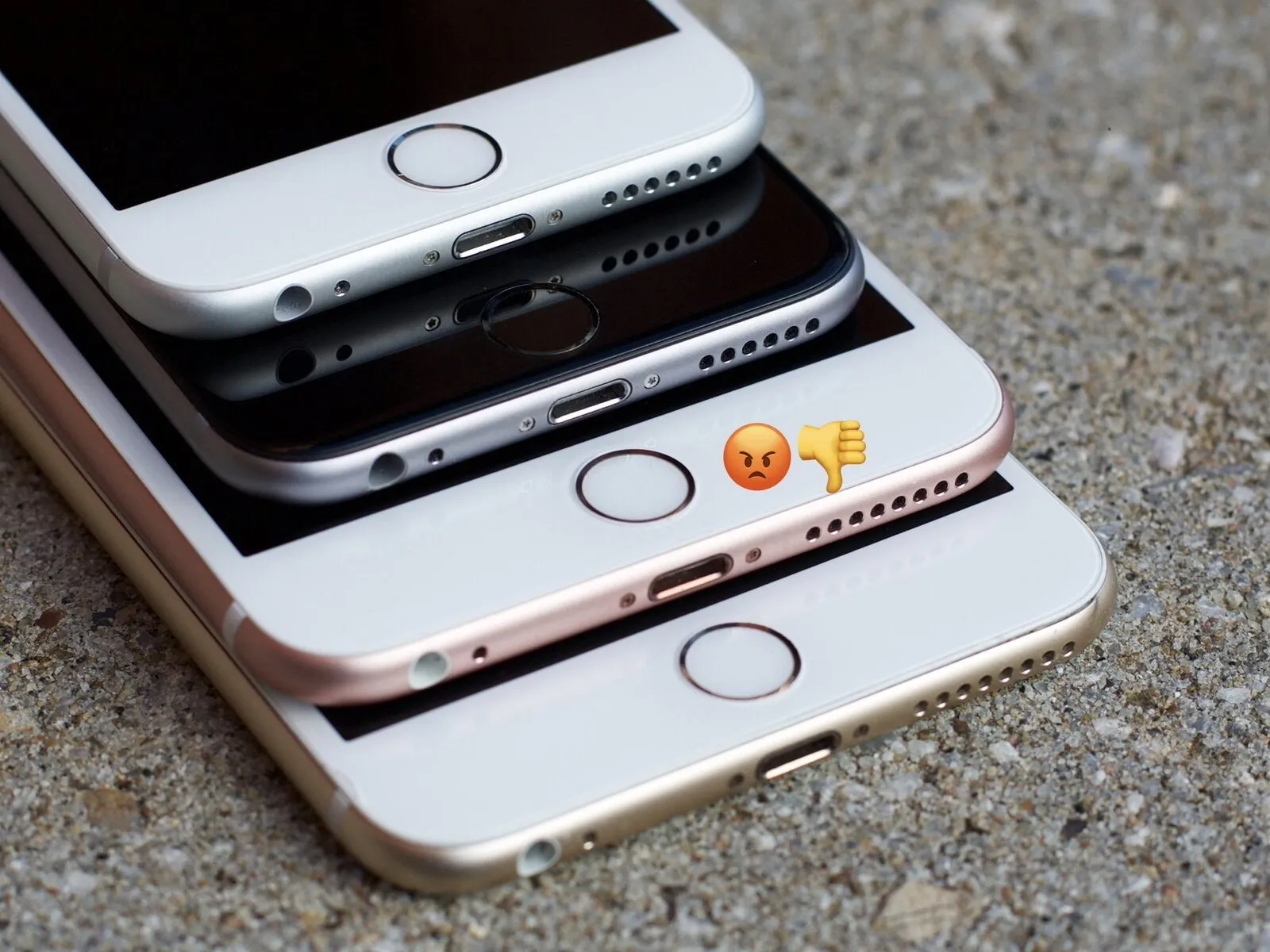
- Apple provides no repair solutions if the physical Touch ID button is severely damaged or lacks proper connection to the device's main circuit board.
- Due to software restrictions, the initial Touch ID sensor becomes inextricably linked to the motherboard, precluding repair or replacement if it experiences failure or disconnection.
Step 2 | Step 1. Try a software reset.

- This procedure aims to re-initialize the Touch ID functionality without requiring hardware intervention.
Step 3 | Step 2. Check the physical connection between the Touch ID cable and its socket.
- The iFixit guide provides comprehensive steps for this particular repair procedure.Specifically, consult the documentation pertaining to iPhone 6s screen replacements.Proper seating of the press connector is crucial for Touch ID to function correctly after a screen replacement.
Step 4 | Step 3. Check the screen itself
- If damage is confirmed, a replacement of the entire display assembly is the recommended course of action.
- Verify that the press connectors are firmly and correctly positioned to guarantee optimal electrical contact.
- Individuals owning an iPhone 5, 5s, or SE should examine the charging port assembly for defects.
Step 5 | Step 4. last attempts😢
- When prior troubleshooting steps fail to correct the malfunction, initiate a software reset via a personal computer running either Windows or macOS; this process refreshes the device's internal software and updates it to the most recent operating system version, which may eliminate underlying software conflicts.
- To return an iPhone, iPad, or iPod to its original operational state, perform a full system restore utilizing a connected computer.
- Carefully examine the Touch ID cable, display cable, and the electrical contacts within the press connector sockets located on the main circuit board for any indications of deterioration due to corrosion or physical breakage.
- Acquire knowledge regarding the proper procedures for removing corrosive deposits from printed circuit boards.
Step 6 | Repair shops💸